24A - Pocket B Sidharth Extension, Delhi - 110014



Mindfulness is the ability to be fully present aware of where we are and what we are doing without being overwhelmed. While this capacity exists in all of us, it strengthens through consistent practice, improving clarity, emotional balance and overall happiness.
In today’s fast-paced environment, our attention is constantly scattered. We often exist in the moment without truly experiencing it, leading to stress, anxiety, aggression and a sense of disconnect. Mindful practices help rebuild attention, awareness and well-being.
At Soul Diets, our Institutional Training Program aligns with the vision of NEP 2020, equipping educators and students with practical mindfulness-based tools that enhance focus, learning engagement, emotional health and personal growth both inside and beyond the classroom.
Bouquet of Mindfulness
The future requires strong Human Intelligence (HI) attention, emotional awareness, empathy and connection. Bouquet of Mindfulness brings these skills into schools through simple, neuroscience-backed, experiential practices for children.
We introduce mindfulness as a skill something students can learn, apply and feel in real time. Through short activities woven into the school day, children learn to:
🔹Build attention and focus
🔹Navigate emotions and stress
🔹Improve classroom engagement
🔹Strengthen peer relationships
🔹Develop self-awareness and compassion
This curriculum moves beyond theory. It helps children experience how their mind works and how presence improves learning, behavior, and well-being.
With Bouquet of Mindfulness, schools prepare students to be: More focused. More human. More connected. More present.
Drama-Based Teaching Pedagogies for Teachers
Modern classrooms require strong Human Intelligence (HI) empathy, communication, creativity and emotional awareness. Drama in Education equips teachers with neuroscience aligned, experiential techniques that strengthen these human skills in daily teaching.
Aligned with NEP 2020 pedagogy, this approach shifts teaching from passive instruction to experiential learning, expression and participation.
Using drama as a pedagogical tool, teachers learn to:
🔹Enhance engagement and participation
🔹Build empathy and perspective-taking
🔹Improve communication and collaboration
🔹Support emotional awareness and regulation
🔹Strengthen a child’s confidence and voice
🔹Nurture emotional intelligence (EQ)
🔹Make learning more experiential and reflective
At the core is mindfulness as a skill teachers learn to notice attention, emotions and classroom dynamics in real time, enabling responsive rather than reactive teaching.
We are driving a shift towards classrooms that are:
More focused. More human. More connected. More present.
Strong education happens when schools, homes and learners move together. Today, that shared direction is Human Intelligence (HI) attention, emotional clarity, empathy, and healthy connection. As academic pressure and digital overload increase, these human skills become essential for teaching, parenting, and learning.
Our practices are grounded in neuroscience and mindfulness, introducing mindfulness as a skill that anyone can learn, apply and experience in daily life both in classrooms and at home.
Through short, practical experiences, participants learn to:
🔹Build focus and sustained attention
🔹Respond calmly to stress and triggers
🔹Communicate with clarity and empathy
🔹Support children through regulation, not control
Strengthen compassion and perspective-taking
🔹Improve classroom and family environments
This isn’t theory it’s experiential mindfulness designed for real-world settings.
By engaging teachers, students, and parents together, we cultivate a culture that is: More focused. More human. More connected. More present.
We are driving this shift by equipping schools and families with the human skills that lead to healthier minds, stronger relationships, and better learning outcomes.
parenting sessions designed to equip parents to navigate current day challenges
Parenting today comes with new pressures digital overload, academic competition, emotional volatility and shrinking family time. Our Mindful Parenting sessions equip parents to navigate these realities with clarity, empathy, and presence.
Built on Human Intelligence (HI) and backed by neuroscience, this approach treats mindfulness as a skill something parents can learn, apply and experience in daily interactions with their children.
Parents learn how to:
🔹Respond, not react, to emotional triggers
🔹Understand the child’s nervous system and needs
🔹Communicate with empathy and boundaries
🔹Support emotional regulation at home
🔹Build connection without losing authority
This is not theory it is experiential learning that transforms family dynamics and strengthens parent child relationships.
We are at the forefront of redefining parenting for a new era making families: More focused. More human. More connected. More present.
Modern parenting often blends professional pressure, emotional labor and family responsibilities. Achieving balance today requires strong Human Intelligence (HI) attention, emotional clarity, empathy and presence. This is where mindfulness becomes essential.
Grounded in neuroscience, our approach introduces mindfulness as a skill something parents can learn, apply and experience in everyday moments. This shifts balance from time management to mind management.
Through practical techniques, parents learn to:
🔹Navigate work and family stress with calm
🔹Stay present instead of distracted or overwhelmed
🔹Respond instead of react during emotional moments
🔹Set healthy boundaries without guilt
🔹Reconnect with children with more patience and empathy
This is not theoretical wellness it is experiential mindfulness that supports healthier homes and more regulated parents.
We are at the forefront of redefining balance through HI, shaping families that are: More focused. More human. More connected. More present.
Today, leadership in education demands more than management it requires Human Intelligence (HI): awareness, emotional clarity, empathy, and presence. Our Teachers as Mindful Leaders program integrates neuroscience and mindfulness to develop these emerging human skills in educators.
Here, mindfulness is introduced as a skill something teachers learn, apply, and experience in real classroom contexts. This enables educators to lead with awareness rather than urgency, and influence through clarity rather than control.
Teachers learn how to:
🔹Stay regulated under pressure
🔹Lead with empathy and emotional intelligence
🔹Support student well-being as part of learning
🔹Communicate with clarity and stability
🔹Build psychologically safe classrooms
🔹Model presence, not just performance
This is mindful leadership for a new era where teachers become catalysts of healthier learning environments and stronger human outcomes.
We are at the forefront of this shift, shaping leadership that is: More focused. More human. More connected. More present.
Storytelling is a powerful bridge between adults and children shaping imagination, emotional growth and connection. In today’s fast-paced world, it becomes transformative when combined with Human Intelligence (HI) attention, empathy, emotional clarity and presence.
Grounded in neuroscience, we introduce mindfulness as a skill within storytelling, helping parents and educators slow down, notice emotions and experience stories with children rather than just narrate them.
Through simple, experiential techniques, participants learn to:
🔹Capture attention and spark curiosity
🔹Communicate with voice, pacing, and presence
🔹Build empathy and perspective-taking
🔹Support emotional regulation through narrative
🔹Convey values without lecturing
🔹Strengthen connection and shared memories
This is storytelling as mindful practice supporting cognitive development, emotional intelligence and expression. It helps children grow more reflective, more expressive and more connected.
We are at the forefront of integrating HI and mindfulness into learning environments that are: More focused. More human. More connected. More present.

It’s no longer enough to excel only on the business side of work. Strong people management and meaningful relationships are equally essential. Programs like ELEVATE bring that dimension forward it develops you as a human first, not just as a professional.
Led by Dimple, the session brought exceptional clarity on the human side of leadership. Her approach emphasizes empathy, presence, and authentic connection skills that often get overlooked in fast-paced corporate environments.
In an age of AI, leading with humanity becomes a competitive edge.
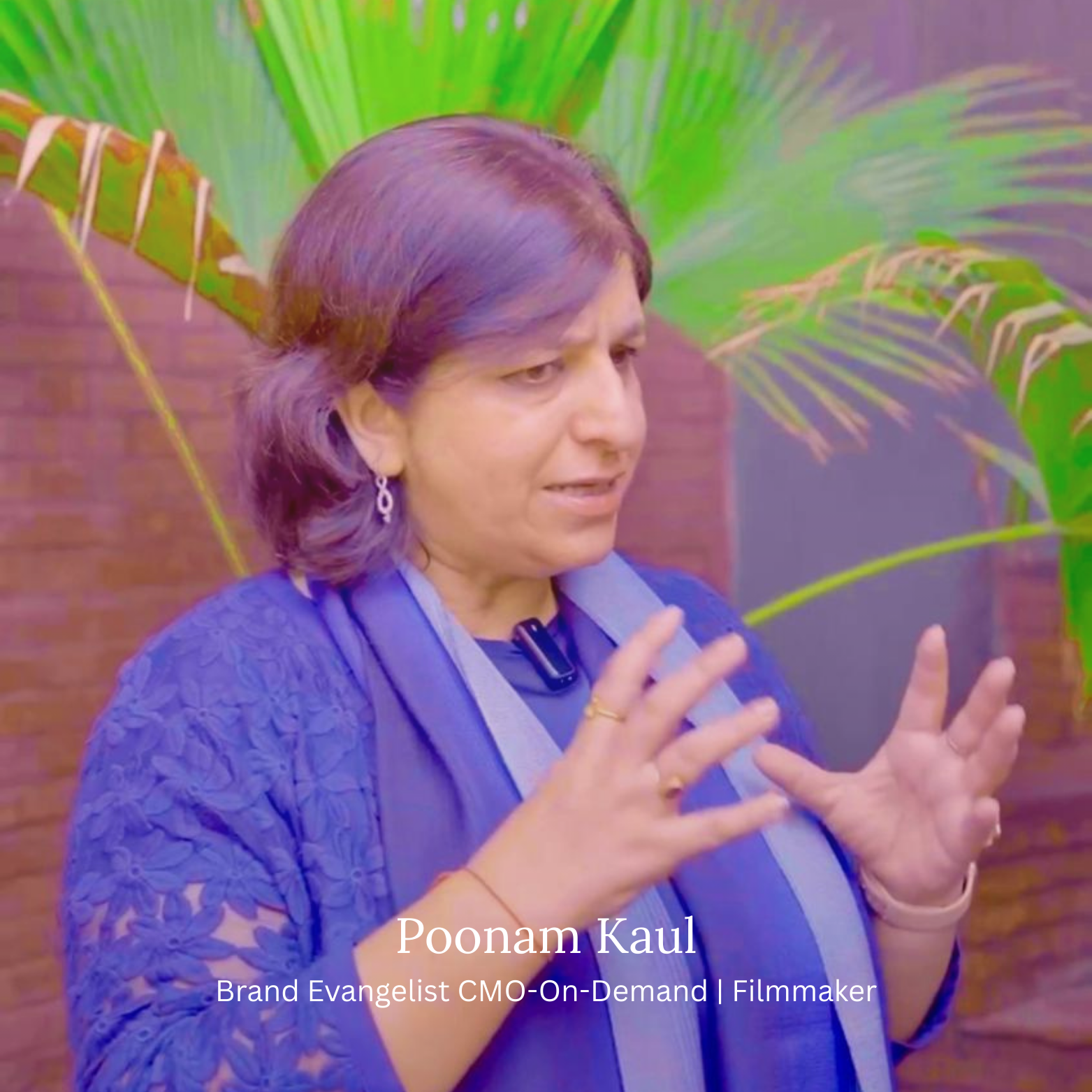
ELEVATE is an excellent program—especially for young women in middle management who aspire to become the leaders of tomorrow. What Soul Diets is building here is mindfulness in leadership—and at its core, mindfulness is about being conscious, aware, and intentional. Developing that quality in emerging leaders is both powerful and necessary.
Another meaningful aspect is the community it creates. Women who come here often share similar backgrounds and challenges, which allows them to relate, empathize, and learn from one another.
Overall, a well-conceived program that nurtures leadership, awareness, and connection. Very well done.
The session created a strong sense of empowerment, not just through learning, but through shared stories of strength and resilience. Seeing and relating to the journeys of others reinforces a powerful belief—that if we’ve overcome so much, we are capable of achieving even more.
Key takeaways included trusting one’s intuition, strengthening decision-making, becoming a more present listener, and reconnecting with inner clarity. One particularly impactful exercise—writing a letter to oneself—sparked deep reflection and self-recognition. Revisiting that letter brought a renewed sense of confidence and pride.
ELEVATE doesn’t create strengths—it helps uncover them. The program enables leaders to recognize their potential, build self-belief, and move forward with clarity and conviction.
Dimple’s energy is truly infectious it instantly elevates the room and resonates with everyone present. Being part of this platform alongside so many inspiring women leaders has been a wonderful experience, and I’m genuinely glad to have been included.
Even as a panelist, I wasn’t here just to speak I was here to learn. Engaging with different perspectives, hearing real stories, and exchanging ideas contributes immensely to my own growth as a leader and as an individual. That, to me, is the real value of platforms like ELEVATE.
I hope this continues more often, and honestly, I would love to attend as a participant sometime because the learning here is rich, meaningful, and deeply rewarding.

I really enjoyed the session curated by the team Soul Diets, which resonated so well with the entire audience. Humour in leadership builds trust and brings positive energy. Thanks for the reminder.
Dimple is someone who inspires everyone around her. She is a continuous learner, and once she sets her sights on something, she is unstoppable. This resolve is what helped her in becoming a mindfulness coach.
As a growth-oriented person, she scaled up her coaching career so well that today, she is coaching and inspiring corporate professionals to lead with mindfulness.

“Dimple is surely a multi-talented person with expertise ranging from a theatre artist to an effective mindfulness & happiness coach, providing a unique perspective on extremely relevant topics. Her articulation and unbiased approach is not just a treat to watch but imbibe for a true well being with mindfulness.”

Dimple excels bringing out the best in everyone and playing people to their strengths. She was inspiring, encouraging, and engaging, and the training inspired me to approach leadership with greater mindfulness. I have had the privileged to witness how powerful coaching can be. Its truly inspiring the team’s and organization’s potential for increased performance. For mentorship and leadership programmes that emphasise mindfulness, I fully endorse Team Soul Diets and Dimple Mehta.
The mindfulness workshop at DPS was nothing short of exceptional. It offered a perfect blend of insightful teachings and engaging activities that captivated both students and staff. The hands-on exercises allowed us to experience mindfulness in action, fostering greater self-awareness and focus. The atmosphere was light and interactive, making it easy for everyone to participate and learn. The insights we gained into managing stress, improving concentration, and staying present have been invaluable. This workshop has truly brought a sense of calm and clarity to our school environment, leaving a lasting, positive impact on all who attended
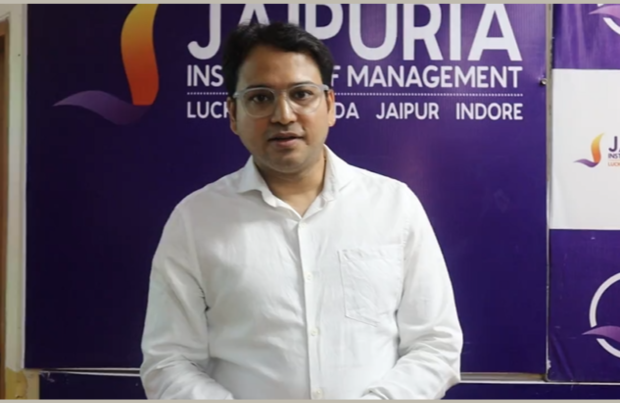
The mindfulness workshop at Jaipuria Institute of Management was a refreshing and engaging experience for all of us. They taught us the importance of mindfulness, The activities were interactive, fun, and gave us a chance to explore mindfulness in a hands-on way. We learned practical techniques to manage stress, boost focus, and improve our overall mental clarity. The discussions sparked thoughtful insights, helping us connect with each other on a deeper level and see the positive impact mindfulness can have in both personal and professional life. It was an empowering and enjoyable session that left us feeling more present, energized, and ready to take on new challenges.
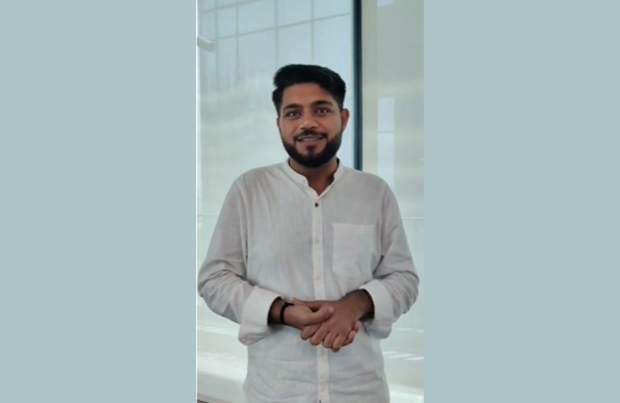
Mindfulness workshop at LG was not only insightful but also incredibly engaging and fun. The activities were designed to get us out of our comfort zones while fostering better connection within the team. We particularly enjoyed the interactive mindfulness exercises, which helped us stay present and focused, and the light-hearted yet meaningful discussions that encouraged us to share our experiences. Dimple Mam’s approach was dynamic and relatable, blending mindfulness practices with practical tools we could implement right away. The workshop gave us valuable insights on stress management, enhancing focus, and staying mindful in high-pressure situations. It was a refreshing experience that left us feeling more connected, energized, and ready to tackle challenges with a clear mind!

As a strong believer in the importance of physical wellbeing, I found Dimple’s session on mindfulness a fascinating insight into how important mental wellbeing is; especially against the challenges of technology and the pace of modern life. I found her personal experiences and journey particularly interesting and the session was a great mix of explanation and practical application.